
Niagara Falls, New York, is one of the most recognized cities in the state, and like the rest of New York, it operates under a well-established medical marijuana program that gives qualifying patients legal access to cannabis for therapeutic use. If you have been dealing with a chronic condition and wondering whether medical marijuana could help, understanding how to navigate the certification process in Niagara Falls is a solid first step. New York’s program has expanded significantly over the years, and getting certified is more straightforward than most people expect.
This guide walks you through everything you need to know, from understanding eligibility requirements to visiting a dispensary with your certification in hand. Whether you are brand new to the idea of medical cannabis or you have been considering it for a while and just need clarity on the process, this article covers it all in plain language.
Why Getting a Medical Marijuana Card in New York Still Matters
New York legalized recreational cannabis for adults 21 and older through the Marijuana Regulation and Taxation Act (MRTA) in 2021. You might be wondering, then, why bother getting a medical card at all? The answer comes down to several practical advantages that recreational access simply does not offer.
- Medical patients are exempt from the state’s cannabis excise tax, which can result in meaningful savings over time.
- Certified patients can purchase higher potency products that are not always available on the recreational market.
- Medical cardholders may be permitted to possess larger quantities of cannabis than recreational users.
- Patients under 21 who qualify medically can still access cannabis legally, which recreational law does not allow.
- Having a formal certification documents your medical need, which can matter in certain employment or legal contexts.
For residents in Niagara Falls managing serious health conditions, these benefits add up quickly. The certification process is also less complicated than it used to be, especially with telehealth options now fully integrated into New York’s medical cannabis system.
Step 1: Confirm You Have a Qualifying Medical Condition
New York’s Office of Cannabis Management (OCM) does not publish a rigid, closed list of qualifying conditions the way some other states do. Instead, the state allows licensed practitioners to use their professional judgment to certify patients when they believe cannabis may provide therapeutic benefit. That said, the most commonly certified conditions include:
- Chronic pain
- Cancer
- HIV/AIDS
- ALS (Lou Gehrig’s disease)
- Parkinson’s disease
- Multiple sclerosis
- Spinal cord injury
- Epilepsy and seizure disorders
- Inflammatory bowel disease
- PTSD
- Neuropathy
- Huntington’s disease
If you have a condition not on this list, do not assume you are automatically ineligible. A licensed certifying provider can still evaluate your situation and determine whether cannabis is appropriate for your care. The key is having an honest, detailed conversation about your symptoms and medical history.
Pro tip: Gather any relevant medical records, prescription history, or documentation of your diagnosis before your appointment. This helps the provider make a well-informed decision and speeds up the process considerably.
Step 2: Choose a Certifying Practitioner or Telehealth Platform
In New York, only practitioners who are licensed and registered with the OCM can issue medical marijuana certifications. You have two main options: visit a local healthcare provider in the Niagara Falls area who is registered with the state, or use a telehealth platform to complete your evaluation entirely online.
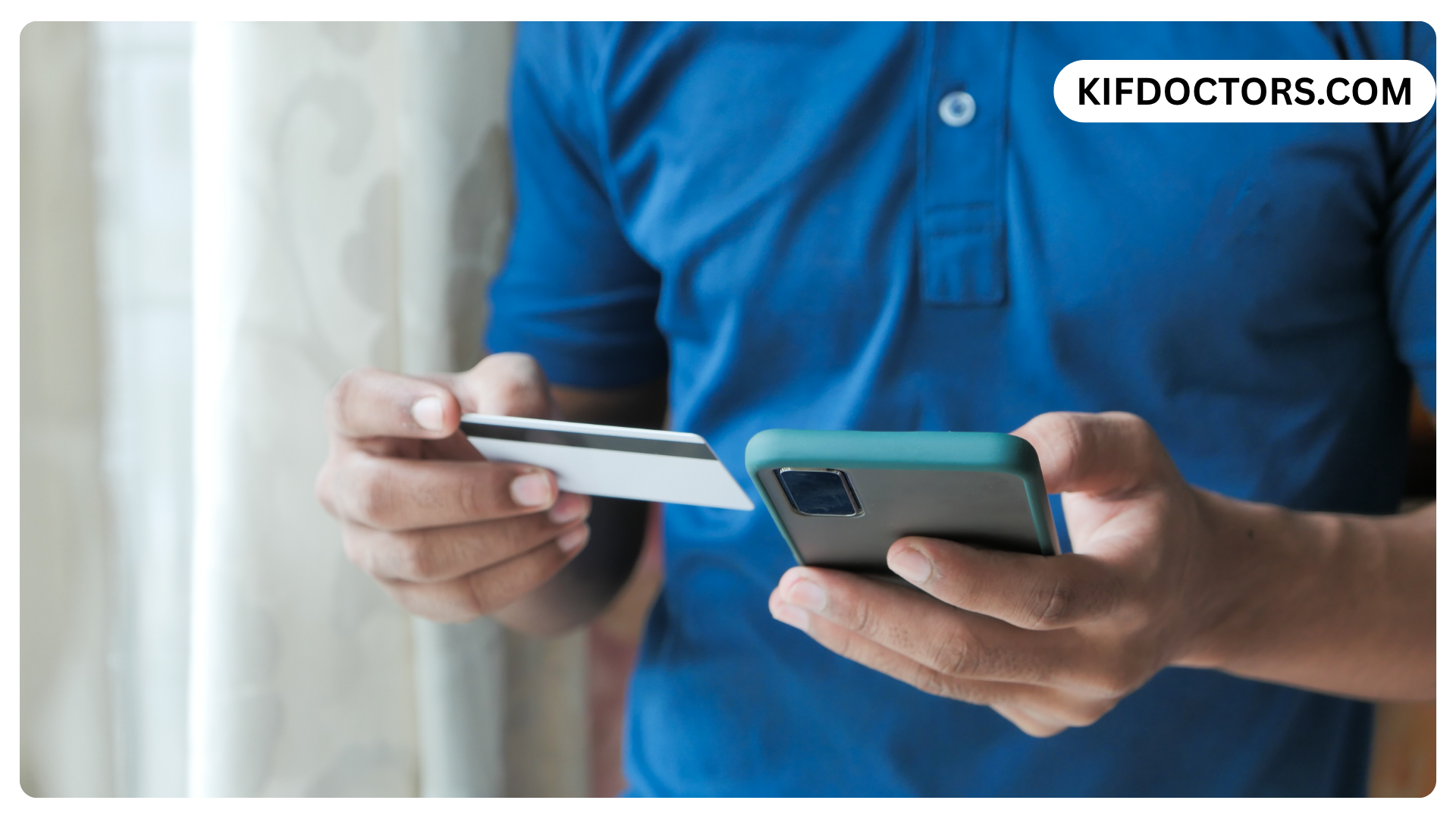
Telehealth has become the preferred route for many patients because of its convenience, speed, and accessibility. You can connect with a certified provider from your home, often within the same day you schedule your appointment. If you want a fast, hassle-free experience, you can Get Medical Marijuana Card Online Instantly through Kif Doctors, a platform designed to simplify the entire certification process for New York residents.
When choosing a provider, make sure they are registered with the New York OCM. You can verify this through the official state portal. Avoid any service that guarantees approval without a real medical evaluation, as legitimate certifications require an actual practitioner-patient consultation.
Step 3: Complete Your Medical Evaluation
Once you have selected your provider or telehealth platform, schedule and attend your evaluation. During this appointment, the practitioner will:
- Review your medical history and current symptoms.
- Discuss how your condition affects your daily life.
- Ask about any medications you are currently taking.
- Evaluate whether medical cannabis is an appropriate addition to your treatment plan.
- Explain potential risks, benefits, and recommended product types if they proceed with certification.
Be open and specific during this conversation. Describe your symptoms accurately, mention what treatments you have already tried, and explain what relief you are hoping to find. Practitioners are not there to judge you. They are evaluating your medical situation the same way they would for any other treatment recommendation.
Common mistake to avoid: Do not downplay your symptoms in an attempt to seem more credible. Vague or minimized descriptions of your condition can actually make it harder for a practitioner to certify you. Honest, detailed communication works in your favor.
Step 4: Register with the New York State Medical Cannabis Program
Once your practitioner certifies you, they will submit your certification electronically to the New York State Health Department’s Medical Cannabis Data Management System. You will then need to register yourself as a patient through the official New York State patient registration portal.
Here is what the registration process involves:
- Visit the New York State Department of Health’s Medical Cannabis patient registration page.
- Create an account using your personal information.
- Enter your certification ID number, which your practitioner will provide.
- Pay the registration fee. As of the most recent updates, the standard fee is $50, with reduced fees available for Medicaid recipients and veterans.
- Receive your registry ID card, which is issued digitally and can be printed or stored on your phone.
The registry card is your official proof of enrollment in New York’s medical cannabis program. You will need it when visiting a licensed dispensary.
Pro tip: The digital card is fully accepted at dispensaries across New York, so you do not need to wait for a physical card in the mail before you can make your first purchase.
Step 5: Locate a Licensed Dispensary Near Niagara Falls, NY
Niagara Falls sits in Niagara County in western New York, and the surrounding region has seen growing access to licensed cannabis dispensaries. While the dispensary landscape in this part of the state is still developing compared to New York City or Albany, patients have options both locally and in nearby Buffalo, which is approximately 20 miles south and has a more established dispensary presence.
Use the New York Office of Cannabis Management’s dispensary locator tool on their official website to find licensed medical dispensaries near you. Always confirm that the dispensary you plan to visit is licensed to serve medical patients, as some locations may be recreational-only.
When you visit a dispensary for the first time, bring:
- Your registry ID card (digital or printed)
- A valid government-issued photo ID
- Your certification documentation if requested
Dispensary staff, often called patient care specialists or cannabis consultants, are trained to help you select products appropriate for your condition. Do not hesitate to ask questions about dosing, product types, and consumption methods.
Step 6: Understand Your Product Options and Dosing
New York’s medical cannabis program allows for a wide range of product forms. As a certified patient, you can access:
- Oils and tinctures
- Capsules and tablets
- Vaporizable flower and concentrates
- Topicals
- Edibles and lozenges
Start with a low dose, especially if you are new to cannabis. Many experienced patients and healthcare providers recommend starting with a low-THC or balanced THC-to-CBD product and adjusting gradually. Keeping a simple journal of what you take, when you take it, and how you feel can help you dial in the right product and dose over time.
Warning: Do not drive or operate heavy machinery after consuming cannabis, particularly when you are still figuring out how your body responds to different products and doses.
Step 7: Renew Your Certification Before It Expires
Medical cannabis certifications in New York are valid for one year. Your registry card will expire along with your certification, so plan to schedule a renewal evaluation before that date arrives. The renewal process mirrors the initial certification process and can also be completed via telehealth.
Set a reminder at least 30 days before your certification expires so you have time to schedule your appointment, complete the evaluation, and update your registration without any gap in access.
Frequently Asked Questions About Getting a Medical Marijuana Card in Niagara Falls, NY
Can I use a medical marijuana card from another state at dispensaries in Niagara Falls?
No. New York does not have reciprocity agreements with other states for medical cannabis cards. If you are a visitor from another state, you will need to access cannabis through New York’s recreational market if you are 21 or older.
How long does it take to get certified and registered in New York?
With telehealth options, the evaluation itself can often be completed the same day you apply. Registration through the state portal typically takes a short time to process, and your digital card is usually available within a day or two of completing registration.
Is there a dispensary physically located in Niagara Falls, NY?
The dispensary landscape in Niagara Falls is still growing. Patients in the area often travel to nearby Buffalo or other Niagara County locations to access licensed dispensaries. Use the OCM’s official dispensary locator to check for the most current options near you.
Does health insurance cover medical marijuana in New York?
No. Health insurance plans, including Medicaid and Medicare, do not cover medical cannabis purchases because cannabis remains federally classified as a Schedule I substance. You will pay out of pocket at the dispensary.
Can my employer fire me for having a medical marijuana card in New York?
New York law provides some protections for off-duty cannabis use, but employment law in this area is nuanced. Certain safety-sensitive positions and federally regulated jobs may still have zero-tolerance policies. Consult an employment attorney if you have specific concerns about your workplace situation.
What is the possession limit for medical cannabis patients in New York?
Certified medical cannabis patients in New York may possess a 60-day supply as determined by their certifying practitioner. This is generally more than what recreational users are permitted to carry.
Can I grow my own cannabis as a medical patient in Niagara Falls?
Home cultivation rules in New York apply to adults 21 and older under the recreational framework. Certified medical patients who are also adults 21 and older may grow up to six plants at home, with no more than three being mature flowering plants. Check the latest OCM guidelines for any updates to these rules.
Do I need to see my regular doctor to get certified, or can I use any registered provider?
You do not need to use your regular doctor. Any New York-licensed practitioner who is registered with the OCM can certify you. Telehealth platforms make it easy to connect with a registered provider quickly, regardless of whether your primary care physician participates in the program.
Are there age restrictions for the medical cannabis program in Niagara Falls?
There is no minimum age requirement for the medical cannabis program in New York, but patients under 18 must have a designated caregiver who is at least 21 years old to purchase and administer cannabis on their behalf.
What happens if I lose my registry ID card?
You can log back into the New York State patient registration portal and reprint or re-access your digital registry card. Contact the Department of Health if you encounter any issues with your account.
Conclusion
Getting a medical marijuana card in Niagara Falls, NY, is a manageable process when you know the steps involved. From confirming your eligibility to completing your evaluation, registering with the state, and visiting a licensed dispensary, each stage is designed to ensure patients get safe, legal access to cannabis-based care. The expansion of telehealth options has made the process faster and more accessible than ever before, removing many of the barriers that once made certification feel out of reach. If you are ready to move forward, start by scheduling your evaluation and take the first step toward a treatment option that many New Yorkers are finding genuinely helpful.
Official Sources and References:
- New York Office of Cannabis Management (OCM) – cannabis.ny.gov
- New York State Department of Health – Medical Cannabis Program