
Glendale Heights residents dealing with chronic pain, anxiety, PTSD, or other qualifying conditions now have a clear, legal path to accessing medical cannabis. Illinois has one of the more straightforward medical marijuana programs in the Midwest, and getting your card does not require jumping through endless hoops. Whether you are brand new to the process or just need a refresher, this guide walks you through everything you need to know — from eligibility requirements to finding a licensed dispensary near Glendale Heights.
Understanding Illinois Medical Cannabis Laws
Illinois legalized medical marijuana under the Compassionate Use of Medical Cannabis Program, which has been in place since 2013. The program is overseen by the Illinois Department of Public Health (IDPH), and it allows patients with qualifying medical conditions to purchase and use cannabis products from licensed dispensaries across the state.
Recreational cannabis also became legal in Illinois in 2020, but there are meaningful differences between recreational and medical access. Medical cardholders typically enjoy higher purchase limits, lower tax rates, and access to higher-potency products. For patients managing serious health conditions, these advantages can make a significant difference in both cost and effectiveness of treatment.
Glendale Heights is located in DuPage County, which falls within the jurisdiction of Illinois state law. That means residents here follow the same application process and enjoy the same protections as medical cannabis patients throughout the state.
Who Qualifies for a Medical Marijuana Card in Illinois
To be eligible for the Illinois Medical Cannabis Program, you must meet a few key criteria. First, you need to be a legal resident of Illinois and at least 18 years old. Minors can participate in the program, but they require a designated caregiver to manage their cannabis use on their behalf.
The most important eligibility factor is having a qualifying medical condition. Illinois has one of the broader lists of approved conditions in the country. Some of the most commonly cited conditions include:
- Chronic pain
- Post-Traumatic Stress Disorder (PTSD)
- Cancer
- Multiple Sclerosis
- Crohn’s Disease
- Epilepsy and seizure disorders
- Glaucoma
- HIV/AIDS
- Lupus
- Parkinson’s Disease
- Severe fibromyalgia
- Spinal cord injury or disease
- Anxiety disorders
- Autism
According to the Illinois Department of Public Health, the list of qualifying conditions has expanded significantly in recent years, making more patients eligible than ever before. If you are unsure whether your condition qualifies, a licensed physician can help you determine eligibility during a consultation.
Step-by-Step Process to Get Your Medical Marijuana Card
Step 1: Schedule a Physician Certification
Before you can apply through the state, you need a written certification from a licensed Illinois physician. This is not the same as a prescription — it is a formal statement from your doctor confirming that you have a qualifying condition and that medical cannabis may be appropriate for your treatment plan.
Many patients in Glendale Heights choose to complete this step online through telehealth platforms, which are fully legal and widely accepted in Illinois. Telemedicine has made the process significantly more accessible, especially for patients who have mobility limitations or a busy schedule. You can meet with a physician via video call, discuss your medical history, and receive your certification without ever leaving home.
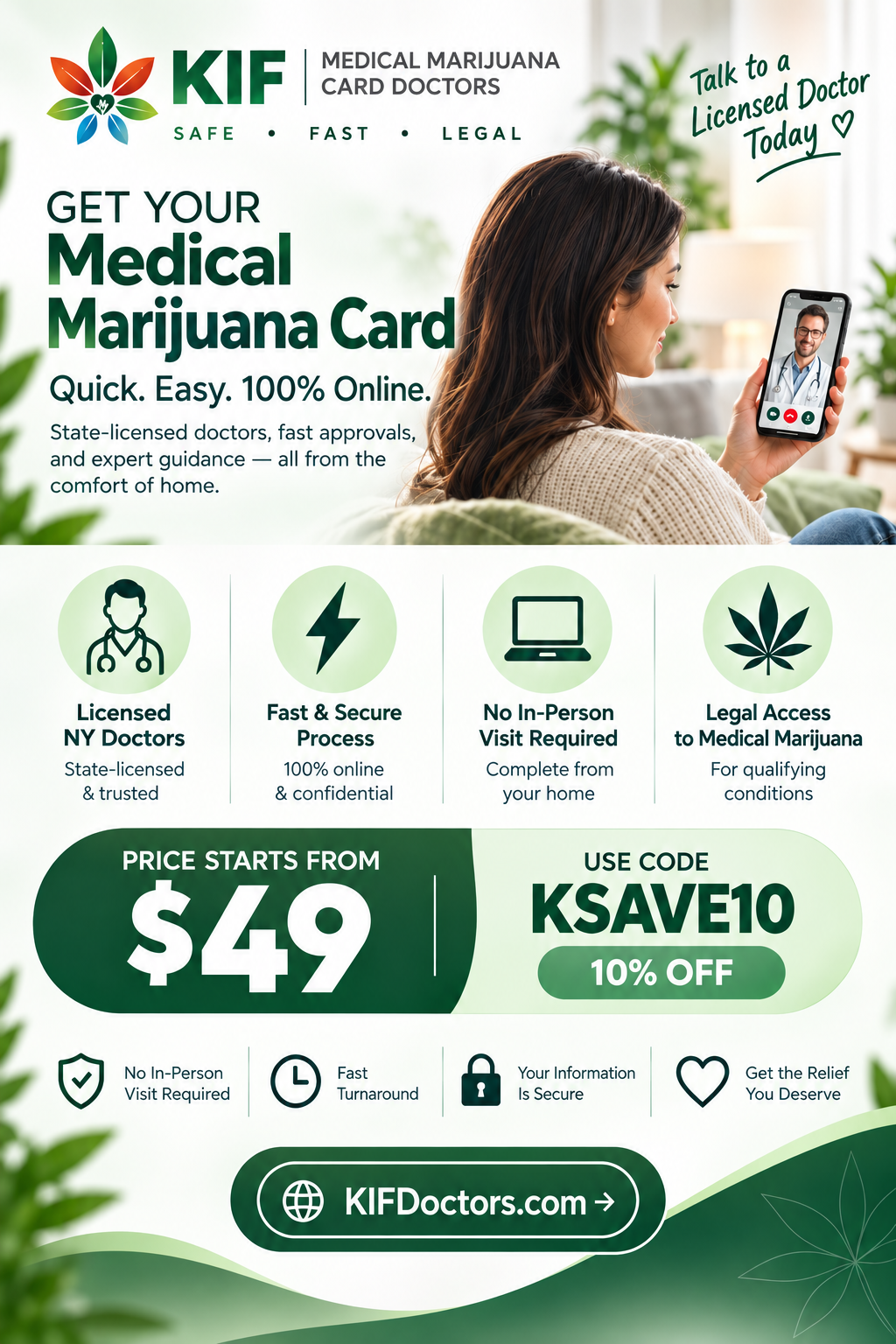
I always recommend going for a Medical Marijuana Card. If you want a fast and hassle-free certification, you can Get Medical Marijuana Card Online Instantly through Kif Doctors, a trusted telehealth provider that connects patients with licensed physicians quickly and efficiently.
Step 2: Create an Account on the Illinois IDPH Portal
Once you have your physician certification in hand, the next step is to register with the Illinois Department of Public Health through their online patient portal. You will need to create an account and submit your application electronically.
During this step, you will be asked to provide personal identification, proof of Illinois residency, and your physician certification document. Make sure all your documents are current and clearly legible before uploading them to avoid any delays in processing.
Step 3: Submit Your Application and Pay the Fee
Illinois offers different registration periods for medical cannabis patients. You can apply for a one-year or three-year card. The state fee varies depending on the duration, and fee waivers or reductions are available for veterans and patients receiving Social Security Disability Insurance (SSDI) or Supplemental Security Income (SSI).
The application fee is paid directly through the IDPH portal. After submission, you will receive a confirmation and can monitor the status of your application online.
Step 4: Receive Your Registry Identification Card
Processing times can vary, but once your application is approved, the state will issue your Medical Cannabis Registry Identification Card. This card is what you present at licensed dispensaries to purchase medical cannabis products. It includes your name, photo, and a unique identification number that dispensaries use to verify your eligibility.
Finding a Dispensary Near Glendale Heights
Glendale Heights is conveniently located near several licensed cannabis dispensaries in the greater DuPage County and Chicago suburban area. Dispensaries in nearby communities like Carol Stream, Addison, Bloomingdale, and Wheaton serve patients from Glendale Heights regularly.
When choosing a dispensary, it helps to look for one that has a knowledgeable staff, a wide product selection, and experience working with medical patients. Many dispensaries offer consultations with cannabis specialists who can help you navigate product types, dosing, and consumption methods based on your specific condition and preferences.
Products available to medical cardholders typically include flower, edibles, tinctures, capsules, topicals, and concentrates. The range of options allows patients to choose a method that fits their lifestyle and health needs without feeling limited to a single form of consumption.
Medical Card vs. Recreational Access: Why the Card Still Matters
With recreational cannabis legal in Illinois, some people wonder whether going through the medical card process is still worth it. The answer, for most patients, is yes — and for several important reasons.
Medical cardholders in Illinois benefit from lower cannabis taxes compared to recreational buyers. Recreational cannabis is subject to a tiered excise tax that can reach 25% or more depending on the product’s THC content, while medical cannabis is taxed at a much lower rate. Over time, these savings add up considerably.
Medical patients also have access to higher possession limits. While recreational users are capped at 30 grams of cannabis flower, medical patients can possess up to 2.5 ounces per 14-day period, with the ability to apply for higher limits if medically necessary. Additionally, some high-potency products are only available to registered medical patients.
From a legal standpoint, holding a medical card also provides an added layer of protection and recognition of your health needs. Employers and housing providers in Illinois are increasingly required to accommodate registered medical cannabis patients, though specific protections vary by situation.
Renewing Your Illinois Medical Cannabis Card
Medical cannabis cards in Illinois are not permanent — they expire after the registration period you selected when you applied. Renewal requires a new physician certification confirming that your qualifying condition is still present and that medical cannabis remains appropriate for your care.
The renewal process follows the same general steps as the initial application. It is a good idea to start the renewal process a few weeks before your card expires to avoid any gap in your legal access to dispensaries. Some telehealth providers, including Kif Doctors, make the renewal process just as seamless as the original certification.
Frequently Asked Questions About Getting a Medical Marijuana Card in Glendale Heights
Can I use a medical marijuana card from another state at Illinois dispensaries?
No. Illinois does not currently have reciprocity with other states’ medical cannabis programs. If you are a visitor or new resident, you will need to apply for an Illinois medical cannabis card to purchase from state-licensed dispensaries as a medical patient. However, you may purchase recreational cannabis if you are 21 or older.
How long does it take to get approved for a medical cannabis card in Illinois?
Processing times can range from a few days to a few weeks depending on application volume. Telehealth certifications can be completed the same day in many cases, which speeds up the overall timeline considerably. Once the state approves your application, your card is mailed to your registered address.
Is my medical cannabis use private? Will my employer find out?
Your medical cannabis registration is confidential and protected under Illinois law. The state does not share patient information with employers. However, workplace drug testing policies vary, and cannabis can still be detected in drug screenings. It is wise to understand your employer’s policies before beginning treatment.
Do I need to see my primary care doctor, or can I use a cannabis-specific physician?
You do not need to see your primary care physician specifically. Any licensed Illinois physician who has completed the required training can provide a medical cannabis certification. Telehealth platforms like Kif Doctors connect patients with qualified physicians who specialize in medical cannabis evaluations.
Are there age restrictions for getting a medical cannabis card in Glendale Heights?
Applicants must be at least 18 years old to apply independently. Minors with qualifying conditions can be registered through a parent or legal guardian who acts as a designated caregiver. The caregiver is responsible for obtaining, storing, and administering cannabis on behalf of the minor patient.
What happens if I lose my medical cannabis card?
You can request a replacement card through the IDPH patient portal. There may be a small fee associated with the replacement. In the meantime, you may still be able to access dispensaries using your digital registration confirmation, though policies vary by location.
Can I grow my own cannabis as a medical patient in Illinois?
Home cultivation of cannabis for medical patients is not currently permitted under the Illinois Medical Cannabis Program. Only licensed cultivators are authorized to grow cannabis in the state. However, recreational users aged 21 and older are allowed to grow up to five plants at home for personal use under Illinois law.
What types of products can I buy with a medical cannabis card in Illinois?
Medical patients have access to the full range of cannabis products available at licensed dispensaries, including flower, pre-rolls, edibles, tinctures, capsules, topicals, and concentrates. Some higher-potency formulations are restricted to medical patients only. Dispensary staff can guide you toward products suited to your specific condition.
Is there a fee reduction available for low-income patients in Glendale Heights?
Yes. Illinois offers reduced application fees for qualifying individuals, including veterans and those receiving disability benefits such as SSDI or SSI. These discounts are applied during the application process through the IDPH portal. Documentation of your status will be required to receive the reduced rate.
Can I designate a caregiver to purchase cannabis on my behalf?
Yes. Illinois allows registered medical patients to designate a caregiver who can purchase and transport cannabis on their behalf. Caregivers must also register with the IDPH and undergo a background check. This option is particularly helpful for patients who are homebound or otherwise unable to visit a dispensary in person.
Conclusion
Getting a medical marijuana card in Glendale Heights, IL is a manageable process when you understand each step and have the right support. From confirming your qualifying condition to completing your state registration, the path to legal medical cannabis access is more accessible than many people realize — especially with telehealth services making physician certifications available from the comfort of home. For residents dealing with chronic conditions that affect their quality of life, a medical cannabis card is not just a legal document. It is a meaningful tool for reclaiming comfort, managing symptoms, and taking a more active role in your own health care. Taking that first step toward certification could be one of the most practical decisions you make for your long-term wellness.
Official Source Links
- Illinois Department of Public Health – Medical Cannabis Program
- Kif Doctors – Same Day Medical Marijuana Card Online