
Arkansas has built one of the more structured medical marijuana programs in the South, and residents of Austin, AR have full access to its benefits. Whether you are managing chronic pain, a qualifying neurological condition, or another serious health issue, understanding how the state’s medical marijuana system works is the first step toward getting the relief you deserve. This guide walks you through everything you need to know — from eligibility and documentation to finding a physician and picking up your medication.
Understanding Arkansas’s Medical Marijuana Program
Arkansas voters approved the Arkansas Medical Marijuana Amendment in 2016, establishing one of the first medical cannabis programs in the Deep South. The program is overseen by the Arkansas Department of Health (ADH), which handles patient registry applications, and the Alcoholic Beverage Control Division (ABC), which regulates dispensaries and cultivation facilities.
Since its launch, the program has grown steadily. Thousands of Arkansas residents now hold active registry identification cards, and the number of licensed dispensaries has expanded to serve patients across the state, including those in rural communities like Austin. The program is designed to provide patients with a safe, legal, and regulated way to access cannabis-based treatments under physician supervision.
Who Qualifies for a Medical Marijuana Card in Arkansas?
To be eligible for a medical marijuana card in Arkansas, you must be a state resident and have a diagnosis that falls within the list of qualifying conditions approved by the ADH. The list includes a wide range of conditions, making the program accessible to many patients. Some of the most commonly approved conditions include:
- Cancer
- Glaucoma
- HIV/AIDS
- Hepatitis C
- Amyotrophic lateral sclerosis (ALS)
- Tourette syndrome
- Crohn’s disease
- Ulcerative colitis
- Post-traumatic stress disorder (PTSD)
- Severe arthritis
- Fibromyalgia
- Alzheimer’s disease
- Severe or persistent muscle spasms
- Intractable pain (pain that has not responded to other treatments for at least six months)
- Epilepsy or other seizure disorders
The ADH also has the authority to add new qualifying conditions over time, so if your condition is not listed here, it is worth checking the Arkansas Department of Health’s official medical marijuana page for the most current list.
Step-by-Step: How to Get Your Medical Marijuana Card in Austin, AR
Step 1 — Confirm Your Qualifying Condition
Before anything else, review the state’s list of qualifying conditions. If you have been diagnosed with one of these conditions by a licensed physician, you are likely eligible. Gather any relevant medical records, prescription history, or diagnostic reports that support your diagnosis. These documents will be important when you meet with a recommending physician.
Step 2 — Find a Certified Physician
In Arkansas, only physicians licensed by the Arkansas State Medical Board who are in good standing can certify patients for medical marijuana. The physician must have a bona fide physician-patient relationship with you, meaning they need to review your medical history and conduct a proper evaluation before issuing a written certification.
For residents of Austin and surrounding Prairie County, accessing a local specialist can sometimes be a challenge. That is where telehealth services have made a real difference. Platforms that connect patients with certified cannabis physicians online have dramatically reduced wait times and eliminated the need to travel long distances for an evaluation.
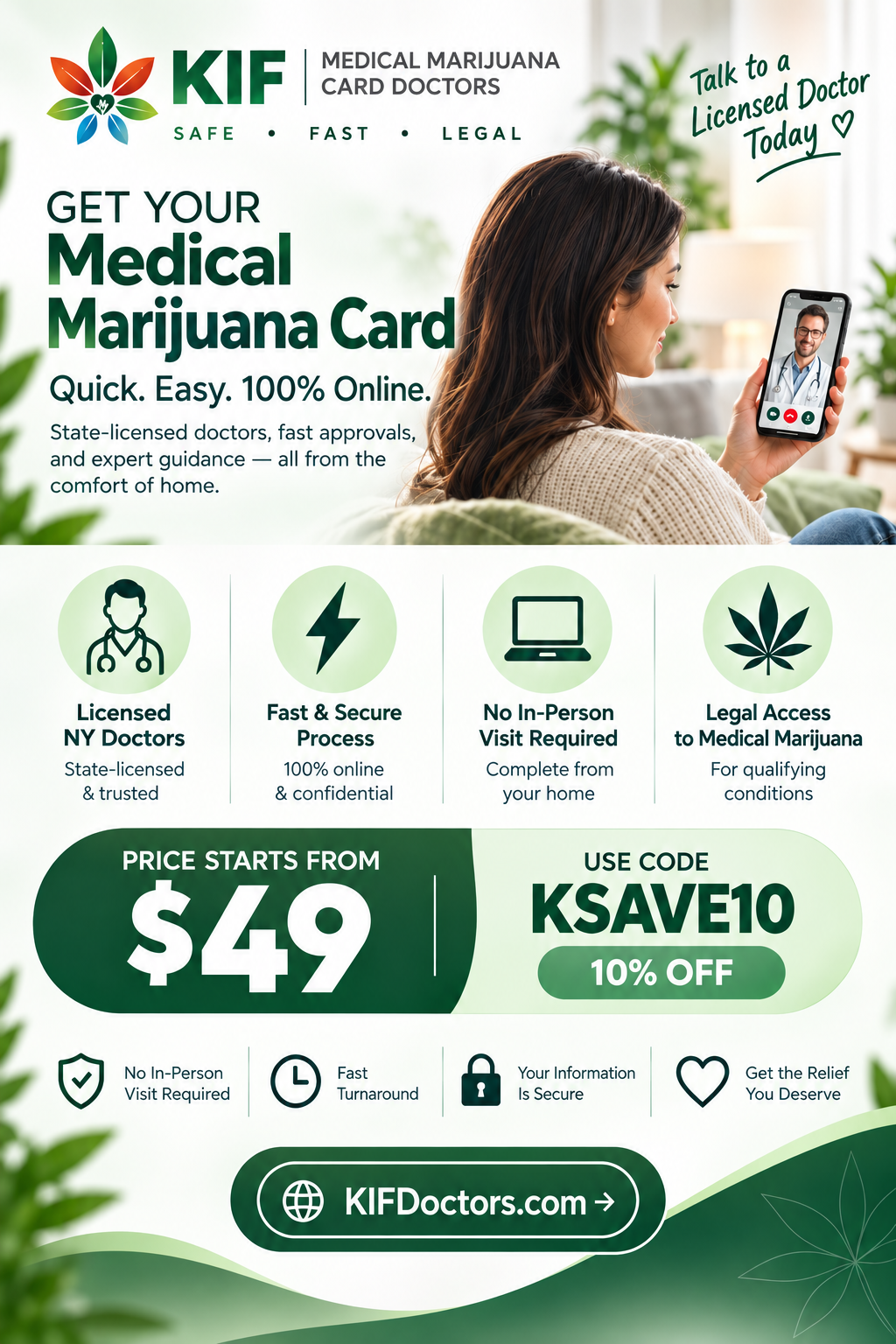
I always recommend going for a Medical Marijuana Card. One convenient option is to Get Medical Marijuana Card Online Instantly through Kif Doctors, a platform that allows you to connect with a licensed physician the same day, complete your evaluation, and receive your certification without leaving your home.
Step 3 — Receive Your Physician Certification
Once the physician determines that you qualify, they will issue a written certification. This is not the card itself — it is a document confirming that a licensed Arkansas physician has recommended medical marijuana as part of your treatment. You will use this certification to complete your application with the ADH.
Step 4 — Register with the Arkansas Department of Health
With your physician certification in hand, you can now apply for your official registry identification card through the ADH. The application process is completed online through the ADH’s patient portal. Here is what you will need:
- A completed patient application form
- Your physician’s written certification
- Proof of Arkansas residency (such as a driver’s license or utility bill)
- A recent passport-style photo
- The application fee (currently $50 for standard applicants; reduced fees are available for Medicaid recipients)
After submitting your application, the ADH will review it and, if approved, mail your registry identification card to the address on file. Processing times can vary, but most applicants receive their card within a few weeks of submission.
Step 5 — Visit a Licensed Dispensary
Once your card arrives, you are legally authorized to purchase medical marijuana from any licensed dispensary in Arkansas. Patients may possess up to 2.5 ounces of cannabis in a 14-day period. Dispensaries carry a range of products including flower, oils, tinctures, edibles, and topicals, and staff are generally trained to help patients find the right product and dosage for their needs.
Renewing Your Arkansas Medical Marijuana Card
Registry identification cards in Arkansas are valid for one year. To maintain uninterrupted access to your medication, it is important to begin the renewal process before your card expires. The renewal process mirrors the initial application — you will need a new physician certification and must resubmit your application through the ADH portal with the renewal fee. Many patients use telehealth services for renewals as well, which saves time and simplifies the process considerably.
Caregiver Provisions in Arkansas
Arkansas allows designated caregivers to purchase and possess medical marijuana on behalf of qualifying patients who are unable to do so themselves. Caregivers must also register with the ADH and go through a background check. Each caregiver can assist up to one patient at a time, and the same possession limits apply. This provision is especially useful for elderly patients or those with mobility challenges.
Frequently Asked Questions About Medical Marijuana in Austin, AR
Can I use my medical marijuana card from another state in Arkansas?
No. Arkansas does not currently have a reciprocity agreement with other states. Only Arkansas-registered patients with a valid state-issued registry card can legally purchase from Arkansas dispensaries.
How long does it take to get approved after submitting my application?
Processing times can vary, but most applicants receive their card within two to four weeks after the ADH receives a complete application. Incomplete applications or missing documents can cause delays, so double-check everything before submitting.
Is there a dispensary near Austin, AR?
Austin is a small community in Prairie County, so residents typically travel to nearby cities for dispensary access. Cities like Lonoke, Cabot, and Little Rock have licensed dispensaries that serve patients from surrounding rural areas. The ADH maintains an updated list of licensed dispensaries on its website.
Can I grow my own marijuana with a medical card in Arkansas?
No. Home cultivation is not permitted under Arkansas law, even for registered medical marijuana patients. All cannabis must be purchased from a licensed dispensary.
What if my doctor refuses to certify me?
Not all physicians are comfortable certifying patients for medical marijuana, and they are not legally required to do so. If your primary care physician declines, you can seek a second opinion from a physician who specializes in cannabis medicine. Telehealth platforms like Kif Doctors connect patients specifically with physicians who are experienced in evaluating and certifying medical marijuana patients.
Are minors eligible for a medical marijuana card in Arkansas?
Yes, in limited circumstances. Minors with qualifying conditions can be registered as patients, but a parent or legal guardian must serve as their designated caregiver and handle all purchases. Additional documentation is required for minor applicants.
Does my employer have to accommodate my medical marijuana use?
Arkansas law does not require employers to accommodate medical marijuana use, and employers retain the right to enforce drug-free workplace policies. It is advisable to review your employer’s policies and consult with a legal professional if you have concerns about workplace implications.
Can I travel within Arkansas with my medical marijuana?
Yes, registered patients may travel within Arkansas with their legal supply of medical marijuana, provided they carry their registry identification card and do not exceed the 2.5-ounce limit. Traveling across state lines with marijuana remains illegal under federal law regardless of state medical status.
What is the cost of getting a medical marijuana card in Arkansas?
The state application fee is $50 for most patients. Medicaid recipients may qualify for a reduced fee of $35. In addition, you will need to factor in the cost of your physician evaluation, which varies by provider. Telehealth services often offer competitive pricing and transparent fee structures.
Can I get a same-day certification in Arkansas?
Yes. Through telehealth platforms that specialize in cannabis medicine, many patients are able to complete their physician evaluation and receive their certification on the same day they sign up. This is one of the most convenient options for residents in smaller communities like Austin where local specialist access may be limited.
Conclusion
Getting a medical marijuana card in Austin, AR is a straightforward process when you understand the steps involved and have the right resources at your disposal. Arkansas has created a well-regulated program that prioritizes patient safety and access, and telehealth options have made it easier than ever for residents in smaller communities to connect with certified physicians without unnecessary barriers. If you have a qualifying condition and are looking for an alternative or complementary approach to managing your health, the Arkansas medical marijuana program is a legitimate and accessible path worth exploring. According to Arkansas Times, the state’s medical marijuana program has continued to show steady growth in patient registrations year over year, reflecting the increasing trust patients have placed in this form of treatment. Taking that first step — whether it is reviewing your qualifying condition or scheduling a telehealth evaluation — could be the beginning of a meaningful change in your quality of life.
Official Source Links
- Arkansas Department of Health — Medical Marijuana Program
- Kif Doctors — Same Day Medical Marijuana Card Online