
Getting a medical marijuana card in Auburn, NY is a straightforward process once you understand how the state’s cannabis program works. New York has one of the more progressive medical cannabis frameworks in the country, and residents of Auburn — located in Cayuga County — have access to the same state-regulated system that allows qualifying patients to legally obtain cannabis for therapeutic use. Whether you’re managing chronic pain, anxiety, PTSD, or another qualifying condition, this guide walks you through every step of getting certified and registered so you can access the relief you’re looking for.
What You Need to Know Before You Start
New York’s medical marijuana program is overseen by the Office of Cannabis Management (OCM), which replaced the former Department of Health’s role in regulating the program. Under current New York State law, a licensed healthcare provider can certify a patient for medical cannabis use if they determine it would benefit the patient’s condition. The state no longer restricts certification to a narrow list of specific diagnoses — instead, practitioners use their professional judgment, which has opened the door for many more patients to qualify.
Before diving into the steps, here’s what you’ll need to have ready:
- A valid New York State photo ID or proof of residency in New York
- Your health insurance card (not required, but helpful if your provider accepts it)
- A list of current medications and medical history
- Access to a device with internet connection if you’re completing the process online
Step 1: Confirm You Are a New York State Resident
New York’s medical cannabis program is available only to state residents. As an Auburn resident, you already meet this geographic requirement, but you’ll need to verify your residency during the registration process. Acceptable documents include a New York State driver’s license, a state-issued ID, a utility bill, or a lease agreement with your Auburn address.
If you’re a caregiver applying on behalf of a patient — such as a parent applying for a minor child — the caregiver must also be a New York resident and will need to register separately through the OCM’s system.
Step 2: Schedule an Appointment with a Certified Healthcare Practitioner
This is the most important step in the process. You need to be evaluated by a New York State-licensed healthcare practitioner who is registered with the OCM to certify patients for medical cannabis use. These practitioners include physicians, nurse practitioners, and physician assistants who have completed the required training.
There are two ways to do this in Auburn:
- Visit a local healthcare provider in or near Auburn who is registered with the OCM
- Use a telehealth platform to complete your evaluation entirely online
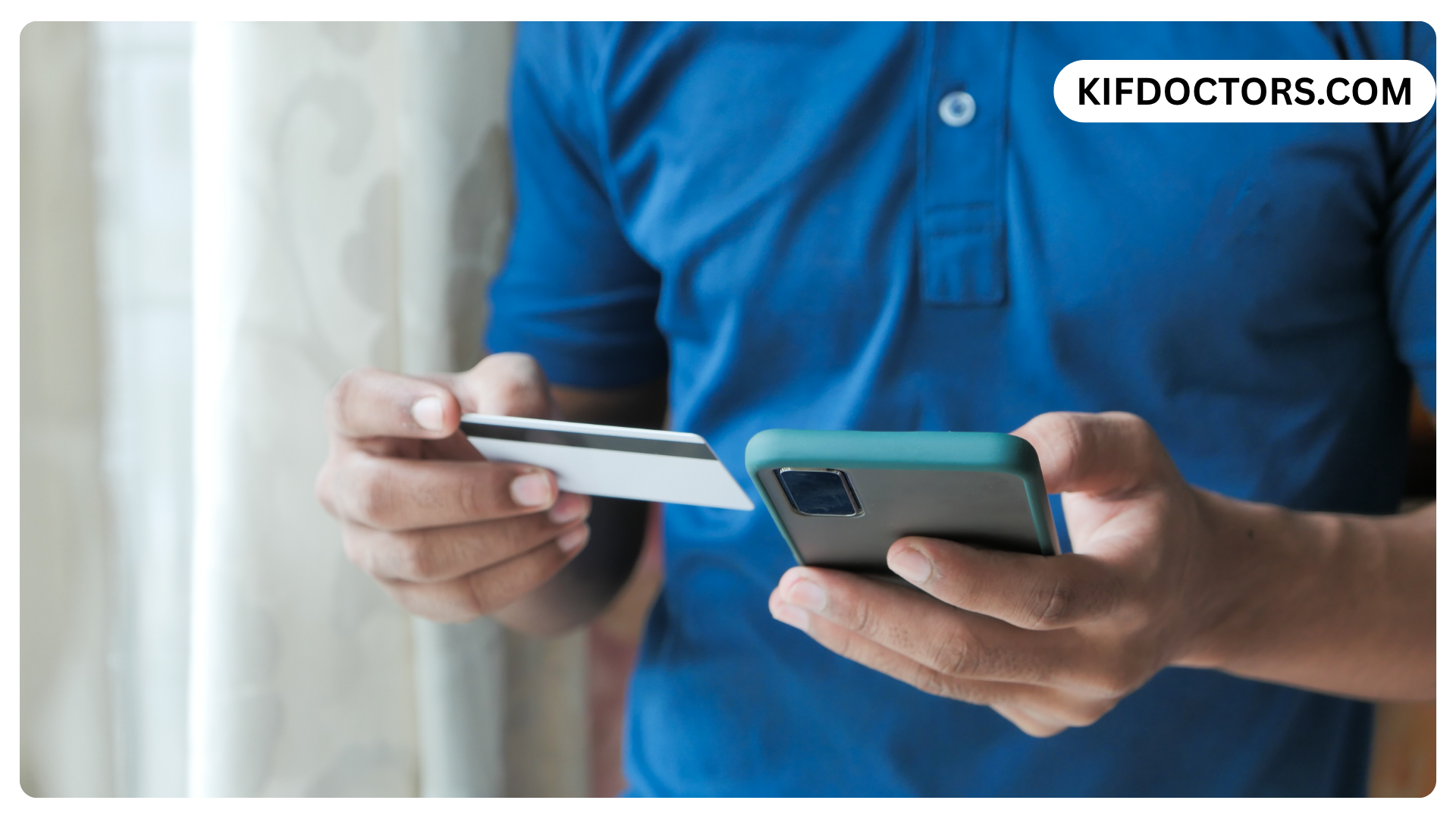
Telehealth has become the most popular and convenient option for many patients across New York. Platforms like Kif Doctors make it easy to connect with a certified practitioner from your home. You can Get Medical Marijuana Card Online Instantly through their streamlined process, which is especially useful if you don’t have a local provider nearby or prefer not to take time off work for an in-person visit.
Pro tip: When scheduling, be upfront about your symptoms and medical history. The more detail you provide, the easier it is for the practitioner to assess your needs and make a recommendation. Don’t downplay your symptoms out of embarrassment — these are medical professionals who deal with these cases every day.
Step 3: Attend Your Medical Evaluation
Whether in-person or via telehealth, your evaluation will involve a conversation with the practitioner about your medical history, current symptoms, and how cannabis might help manage your condition. The practitioner is not prescribing cannabis in the traditional sense — they are issuing a certification that confirms you have a condition that may benefit from its use.
During the evaluation, be prepared to discuss:
- Your primary condition or symptoms
- Previous treatments you’ve tried and their effectiveness
- Any current medications and potential interactions
- Your general health history
Common conditions that practitioners in New York frequently certify include chronic pain, cancer, HIV/AIDS, PTSD, multiple sclerosis, epilepsy, Parkinson’s disease, inflammatory bowel disease, and neuropathy. However, practitioners have discretion to certify patients for other conditions as well, so don’t assume you won’t qualify just because your diagnosis isn’t on a traditional list.
Warning: Avoid exaggerating or fabricating symptoms. Practitioners are trained to assess patients thoroughly, and misrepresentation can result in denial of certification and potential legal issues.
Step 4: Receive Your Medical Cannabis Certification
Once the practitioner determines you qualify, they will issue a certification through the New York State Health Commerce System. You will receive a certification number, which you’ll use in the next step to register with the OCM. This certification is typically valid for one year, after which you’ll need to renew it through another evaluation.
Your practitioner may also provide guidance on dosing, product types, and consumption methods. Take notes during this conversation — it’s valuable information, especially if you’re new to cannabis as a therapeutic option.
Step 5: Register with the New York Office of Cannabis Management
After receiving your certification, you need to register as a patient with the OCM. Visit the New York Office of Cannabis Management’s official website to complete your registration. You’ll need your certification number, a valid New York ID, and basic personal information.
The registration process involves:
- Creating an account on the OCM’s patient portal
- Entering your certification number provided by your practitioner
- Submitting your personal identification details
- Paying the registration fee (fee waivers are available for patients receiving Medicaid, SSI, or SSDI)
- Receiving your registry ID card by mail or digitally
As of recent updates to New York’s cannabis program, the registration fee for patients is $50 per year. The fee waiver application is straightforward and can be submitted alongside your registration if you qualify.
Pro tip: Keep a digital copy of your registry ID on your phone. Many dispensaries accept digital IDs, and it’s a good backup in case your physical card hasn’t arrived yet or you leave it at home.
Step 6: Find a Licensed Dispensary Near Auburn, NY
Once registered, you can purchase medical cannabis products from any licensed dispensary in New York State. Auburn is in Cayuga County in central New York, and while the city itself may have limited dispensary options, there are licensed dispensaries accessible within a reasonable driving distance in the greater Syracuse area and surrounding regions.
You can use the OCM’s dispensary locator tool on their website to find the nearest licensed retail location. When visiting a dispensary for the first time, bring your registry ID card and a valid photo ID. Dispensary staff — often called budtenders — are typically knowledgeable and can help guide you toward products that match your needs and experience level.
Products available at New York dispensaries include:
- Flower (for vaporization)
- Tinctures and oils
- Capsules and tablets
- Topicals
- Edibles (available through adult-use dispensaries as well)
- Concentrates
If you’re new to medical cannabis, start with lower-potency products and work your way up. There’s no rush, and finding the right product and dose takes some experimentation.
Step 7: Renew Your Certification Annually
Medical cannabis certifications in New York are valid for one year. Before your certification expires, you’ll need to schedule another evaluation with a certified practitioner to renew it. The renewal process follows the same steps as the initial certification — a consultation, a new certification number, and re-registration with the OCM.
Set a reminder about 30 to 60 days before your certification expires so you have enough time to schedule your renewal without any lapse in your ability to purchase from dispensaries.
Frequently Asked Questions About Getting a Medical Marijuana Card in Auburn, NY
Is medical marijuana legal in Auburn, NY?
Yes. Medical marijuana is legal throughout New York State, including Auburn. The program is regulated by the New York Office of Cannabis Management, and registered patients can legally purchase and use cannabis products from licensed dispensaries.
How long does it take to get a medical marijuana card in Auburn?
The timeline can vary, but many patients complete the process within a few days. Telehealth evaluations can often be scheduled same-day or next-day, and once you receive your certification number, you can register with the OCM immediately. Your physical card may take up to two weeks to arrive by mail, but digital registration is often accepted at dispensaries right away.
How much does a medical marijuana card cost in New York?
The practitioner consultation fee varies by provider, typically ranging from $75 to $199 depending on whether you go in-person or use a telehealth service. The state registration fee is $50 per year, though fee waivers are available for qualifying low-income patients.
Are there dispensaries in Auburn, NY specifically?
The dispensary landscape in New York is expanding rapidly following adult-use legalization. While Auburn may have limited options within city limits, there are licensed dispensaries accessible in neighboring areas like Syracuse. Use the OCM’s online locator to find the most current options near you, as new locations are opening regularly.
Can I use my New York medical card at dispensaries in other states?
No. New York’s medical marijuana registry card is only valid within New York State. Other states have their own programs, and most do not accept out-of-state medical cards. If you travel frequently, research the cannabis laws of your destination before bringing any products with you.
Do I need a doctor’s prescription to get medical marijuana in New York?
No, it’s not a prescription in the traditional sense. A licensed healthcare practitioner issues a certification, which is different from a prescription. This certification is then used to register with the OCM and obtain your card.
Can I grow my own marijuana with a medical card in New York?
As of current New York law, adult-use home cultivation of up to six plants is permitted for individuals 21 and older. However, medical patients do not have additional cultivation rights beyond what is granted to all adults under the MRTA (Marihuana Regulation and Taxation Act). Always verify the most current regulations on the OCM website.
What conditions qualify for a medical marijuana card in Auburn, NY?
New York no longer uses a strict qualifying condition list. Practitioners can certify patients for any condition they believe would benefit from cannabis treatment. Common qualifying conditions include chronic pain, PTSD, anxiety disorders, cancer, epilepsy, multiple sclerosis, and HIV/AIDS, among others.
Can minors get a medical marijuana card in New York?
Yes, minors can be certified for medical cannabis use in New York, but a parent or legal guardian must register as their designated caregiver. The caregiver is responsible for obtaining and administering the cannabis products on behalf of the minor patient.
What happens if my medical marijuana card expires?
If your certification and registration expire, you will no longer be able to legally purchase medical cannabis from dispensaries until you renew. You’ll need to schedule a new evaluation with a certified practitioner and re-register with the OCM. There is no grace period, so plan your renewal in advance.
Conclusion
Getting a medical marijuana card in Auburn, NY is a manageable process when you know the steps. From scheduling your evaluation to registering with the OCM and finding a local dispensary, each stage is designed to ensure patients have safe, legal access to cannabis-based relief. If you’re ready to move forward, consider exploring telehealth options to make the process as convenient as possible — many patients complete their certification without ever leaving home. Your next step is simply booking that first appointment.
Official Sources:
- New York Office of Cannabis Management – Medical Cannabis
- New York State Department of Health – Medical Marijuana Program